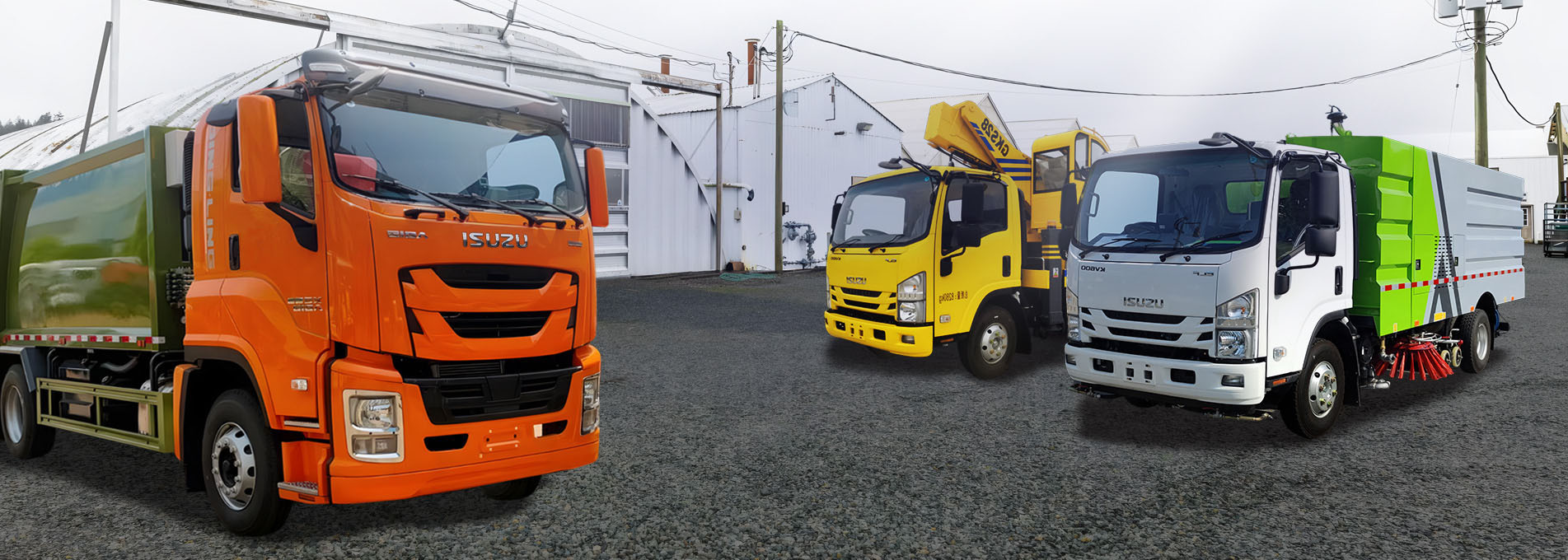
Wrecker trucks are widely used in specialized vehicles for towing, clearing breakdowns, and rescue operations. While there are different configurations, a hydraulic winch is an essential component of every wrecker truck. Proper operation of the winch is crucial as it directly affects safety, vehicle integrity, and recovery efficiency. This guide outlines the correct step-by-step procedure for operating a hydraulic winch on an ISUZU wrecker truck.
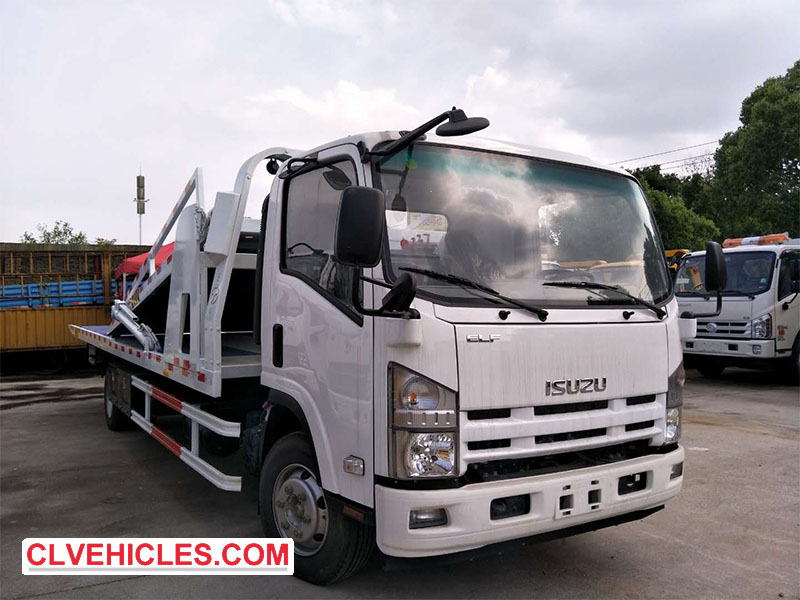
First, start the engine, put the shift lever in neutral, depress the clutch, and then engage power takeoff (PTO). Before operating the hydraulic winch, lower the tilting tray (flatbed). While lowering the tray, pay close attention to the rear lift and adjust its height to ensure the tray is in the correct position. Proper alignment at this stage prevents unnecessary stress on the winch and vehicle.
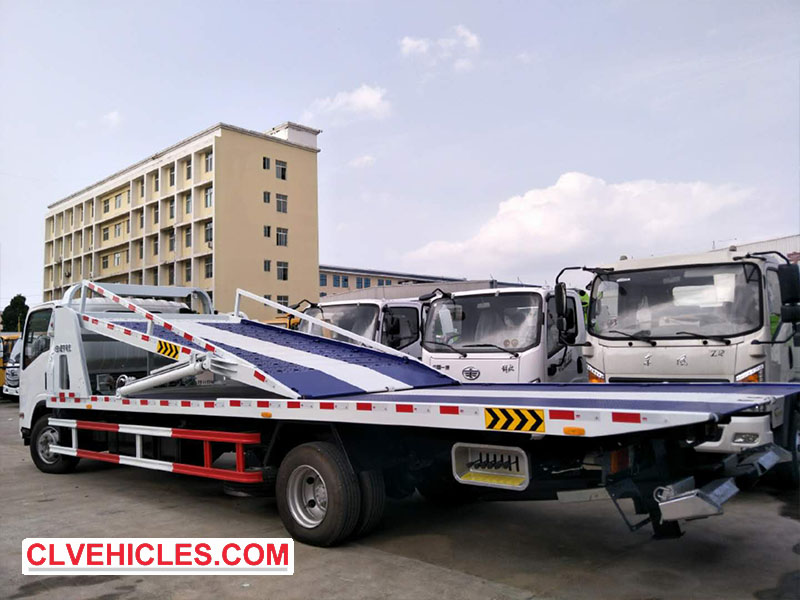
Release the winch clutch and pull the wire rope toward the disabled vehicle. Securely attach the hook to the towing hook on the disabled vehicle. Then, re-engage the winch clutch. **It is crucial to ensure there are at least five turns of wire rope on the drum—using too much wire rope can cause the winch to go out of control.** Next, place the disabled vehicle in neutral and release the parking brake. Operate the winch lever to pull the vehicle onto the platform, but keep the hook at least 40 cm away from the winch body. Never disengage the manual control clutch while the winch is loaded, as this will damage the winch. Exercise extra caution with vehicles that have a very low chassis to avoid secondary damage.
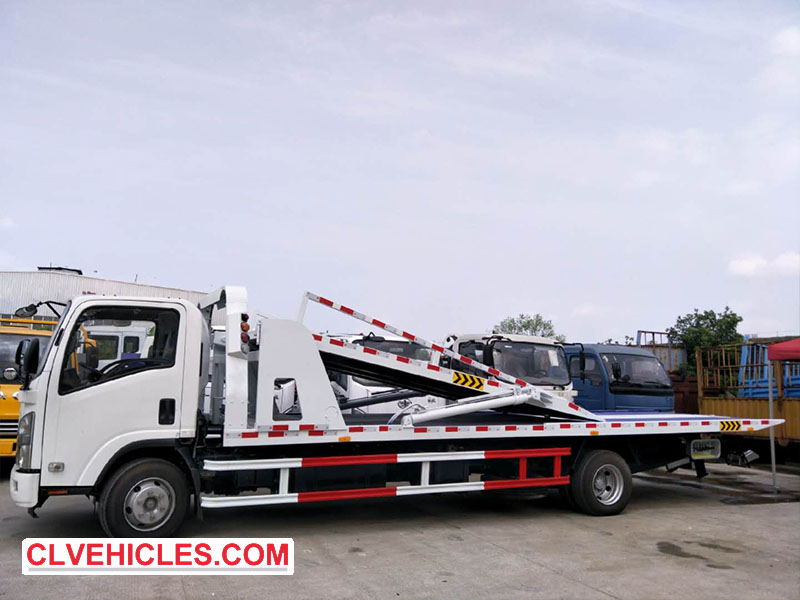
Once the disabled vehicle is completely on the platform, secure the tires firmly using heavy-duty straps. After securing the straps, slowly lift the rear of the flatbed. When the rear is about 15 cm off the ground, move the flatbed forward until the front end is 60 cm from its original position. Then, adjust the platform tilt to a completely level position. Finally, move the flatbed to its forward position—this ensures the recovered vehicle is safely parked and will not move during transport.
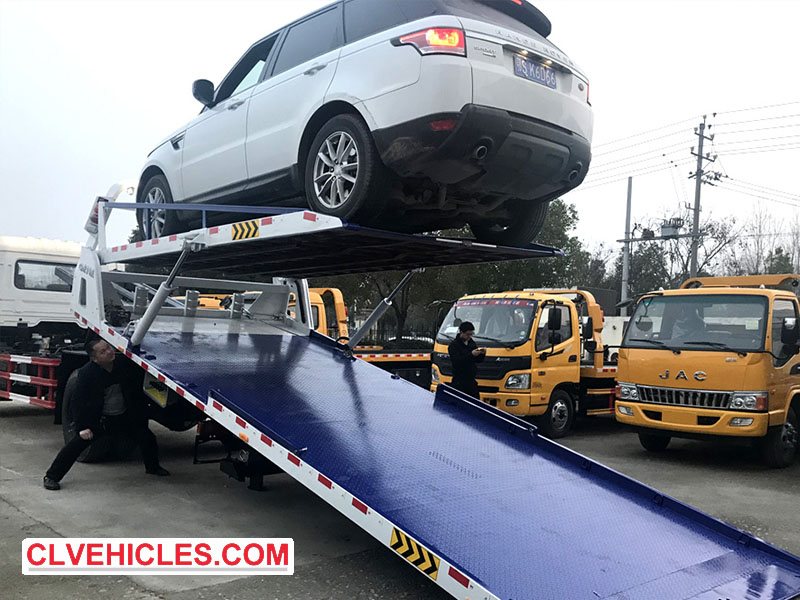
Engine the parking brake of the disabled vehicle and shift it into first gear (or P for automatic transmissions). Carefully check that all belts are tight. Pay attention to every detail; loose belts can lead to serious accidents. Once everything is confirmed to be in good condition, depress the winch clutch and release the PTO. The recovery operation is now complete. Strictly following these steps will maximize safety, protect the winch, and extend the service life of the Isuzu winch.
Ready to upgrade your recovery fleet? Download our latest Comparison Catalog & Maintenance Manual for ISUZU Wrecker Tow Trucks.
By Inquiring Today, You Will Get:
- Exclusive Factory Discount: Save up to $1,500 on your first order this month.
- Spare Parts Package: 1-year wearable parts (tow straps, hooks, winch cables) included for FREE.
- Shipping Quote: Get a real-time shipping cost estimate to your nearest port.
CONTACT US quickly. Leave your Email & Destination Port to get the Offer!