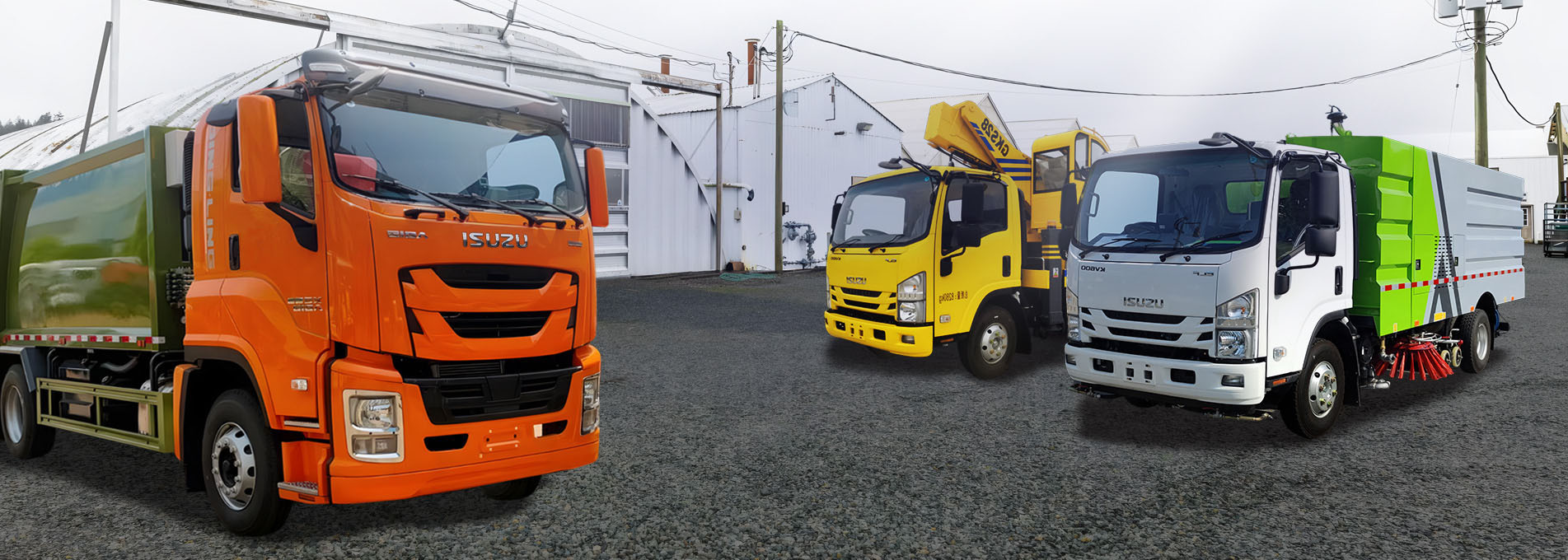
1. Gross Vehicle Weight – Related to Rated Capacity
General-purpose chassis platforms are typically designed for general cargo applications, with a conservative maximum gross vehicle weight (GVW) setting, for example, 5 tons for a given model. In contrast, a dedicated sanitation chassis of the same nominal size typically has a rated weight of 7 to 8 tons. The reason lies in the vehicle design: ISUZU garbage trucks carry heavy compaction mechanisms, hydraulic systems, and top loading boxes, and their empty weight already consumes a significant portion of the GVW. End users also require higher payload capacity to handle dense wet waste. General-purpose chassis will quickly exceed their legal and structural limitations, jeopardizing safety and durability, while dedicated chassis provide the necessary headroom for tare weight and live load.
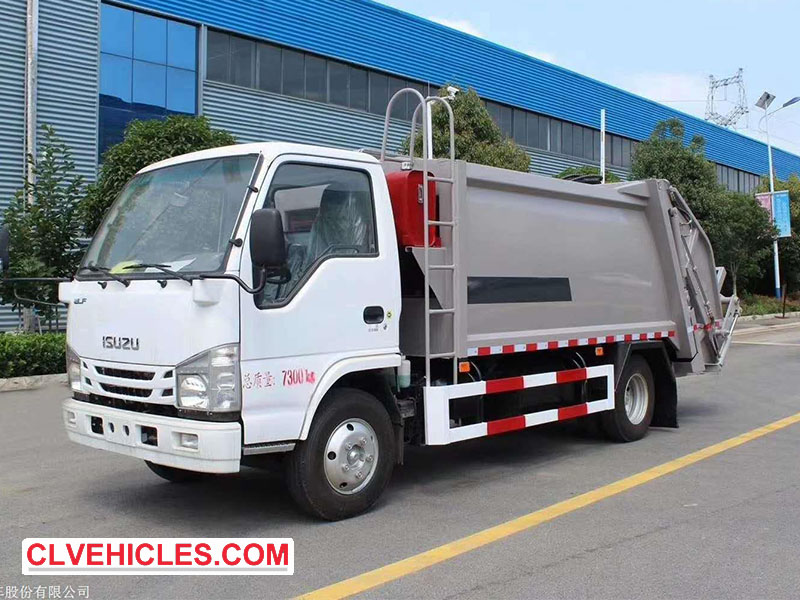
2. Wheelbase Geometry – Balancing Dynamic Stability
Sanitation trucks often transport mixtures of solid and liquid waste. During acceleration, braking, and changes in gradient, the liquid portion sloshes within the vehicle, causing the center of gravity to shift continuously. If the center of gravity shifts forward, the front axle will be overloaded; if it shifts backward, the front wheel traction will drop drastically, potentially lifting the front tires off the road—an obviously dangerous situation. To address this, dedicated sanitation chassis feature a carefully optimized wheelbase—neither too long (which would worsen turning radius and rear sway) nor too short (which would amplify pitch and roll). General-purpose chassis, designed for simple box-like loads without hydrodynamics, lack this refined geometry, making them unsuitable for safe waste collection operations.
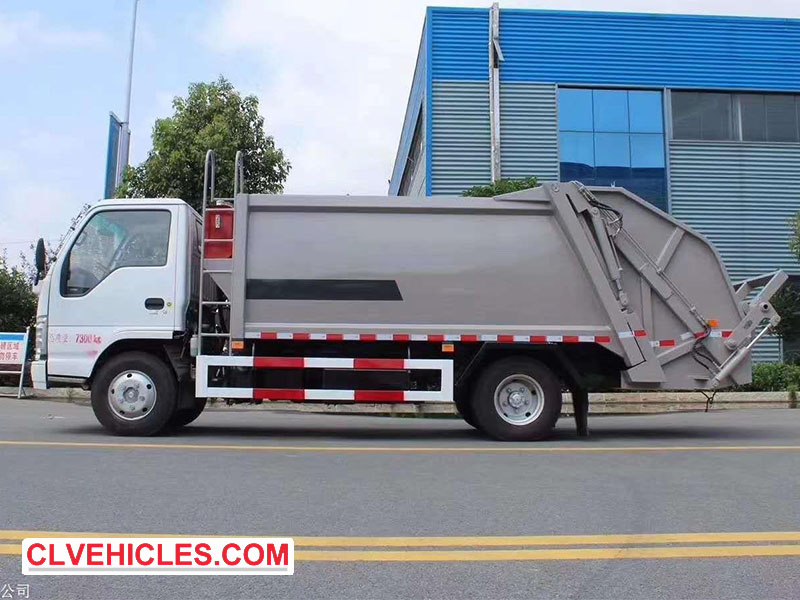
3. Side Rail Clearance—Accommodating Hydraulic Auxiliary Equipment
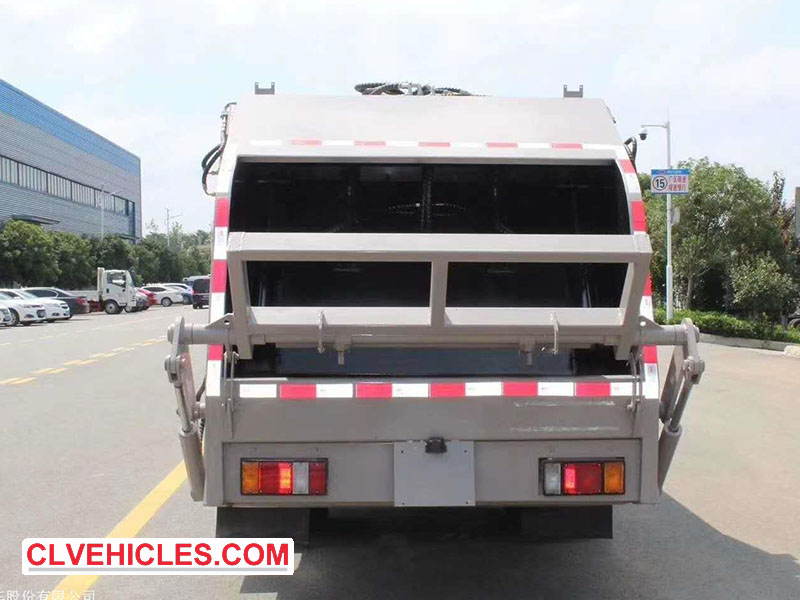
Installing a waste compaction system requires sufficient free space on both sides of the chassis frame. Hydraulic power units, control valve assemblies, tanks, and hose wiring must be easily maintained and adjusted, while body mounting height also requires lateral clearance to ensure a secure fit. General-purpose chassis typically cram production line components (battery boxes, fuel tanks, and urea tanks) into the side rails, leaving minimal space for additional equipment. Retrofits often force costly relocations of these plant parts, increasing labor and downtime. In contrast, sanitation-specific chassis are designed from the outset with wider track spacing and pre-positioned mounting points, allowing auxiliary systems to be installed without significant modifications.
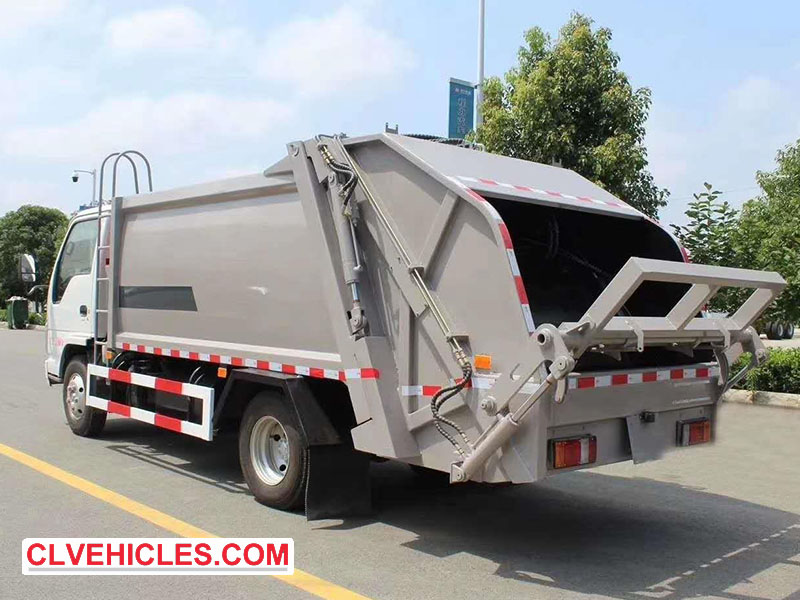
4. Tire Specifications – Durability in Harsh Conditions
Waste collection routes typically involve uneven alleyways, damp landfill surfaces, and frequent stop-and-go traffic on debris-strewn roads. These conditions place severe stress on tires – higher sidewall loads, a greater risk of blowouts, and more heat buildup. Therefore, sanitation-specific chassis specify larger, heavier tires with reinforced ply ratings and deeper tread patterns, exceeding the standard configuration for general-purpose trucks. General-purpose chassis tires are sized for smooth highways and medium loads; using them in waste collection services leads to premature wear, blowouts, and unplanned downtime, ultimately increasing total operating costs.
5. Conclusion – A Prudent Investment in Safety and Reliability
Accumulated technical requirements – GVW, wheelbase dynamics, sidewall clearance, and tire robustness – clearly demonstrate that general-purpose chassis are neither economical nor safe for sanitation missions. While some non-compliant manufacturers may reduce costs by refitting generic chassis, this often results in poor vehicle stability, axle overloading, narrow access for repairs, and frequent tire failures. For fleet operators, selecting a specially manufactured hygienic chassis from a reputable original equipment manufacturer (OEM) is not only a regulatory requirement but also a long-term guarantee of operational efficiency, driver safety, and reduced lifecycle costs. Always verify the chassis's origin before purchasing – this determines the difference between a reliable mainframe and expensive liability.
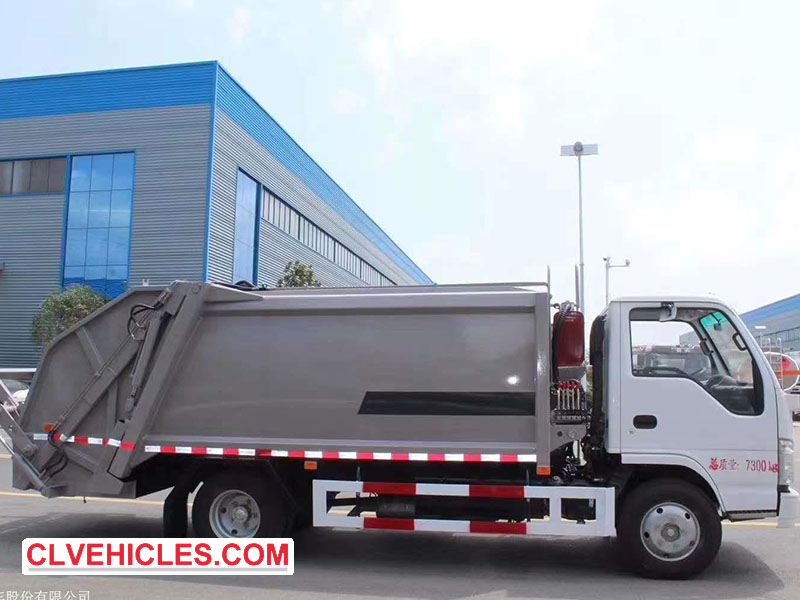
Get the Latest ISUZU Garbage Truck Buyer's Guide
Ready to upgrade your municipal fleet? Download our latest Comparison Catalog & Maintenance Manual for ISUZU Garbage Trucks.
By Inquiring Today, You Will Get:
Exclusive Factory Discount:Save up to $1,500 on your first order this month.
Spare Parts Package:1-year wearable parts (filters, seals, hydraulic hoses) included for FREE.
Shipping Quote:Get a real-time shipping cost estimate to your nearest port.
CONTACT US quickly. Leave your Email & Destination Port to get the Offer!