Understanding the Threat of Corrosion
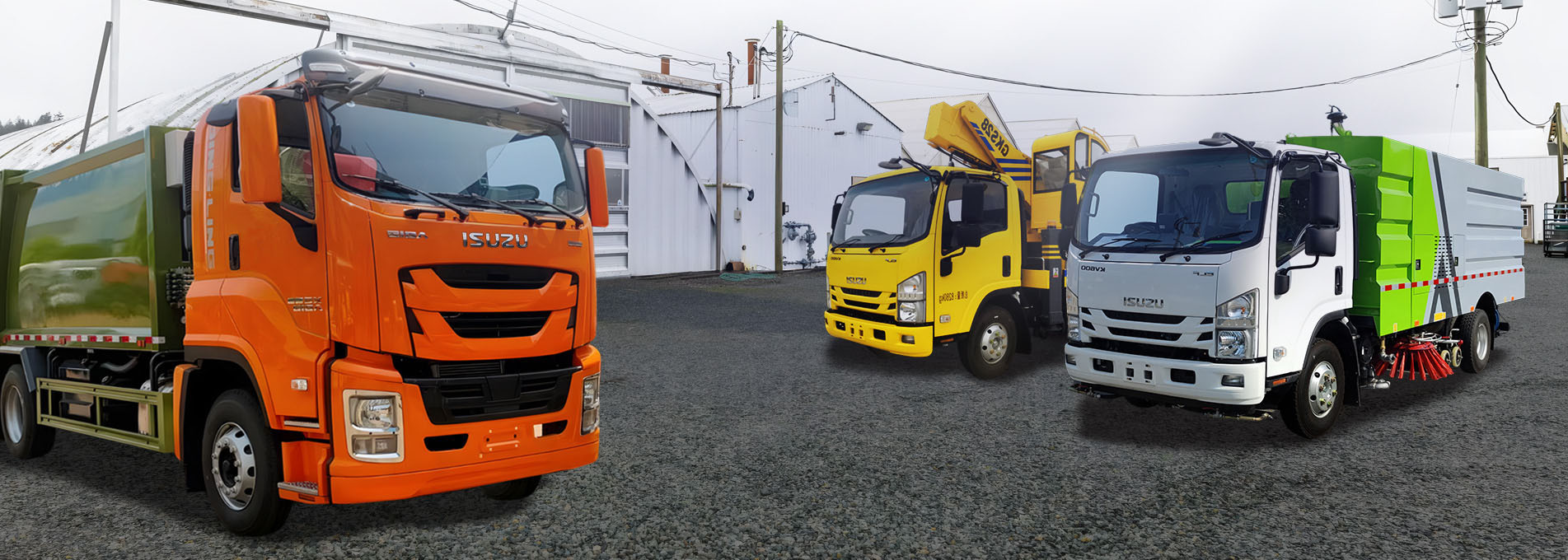
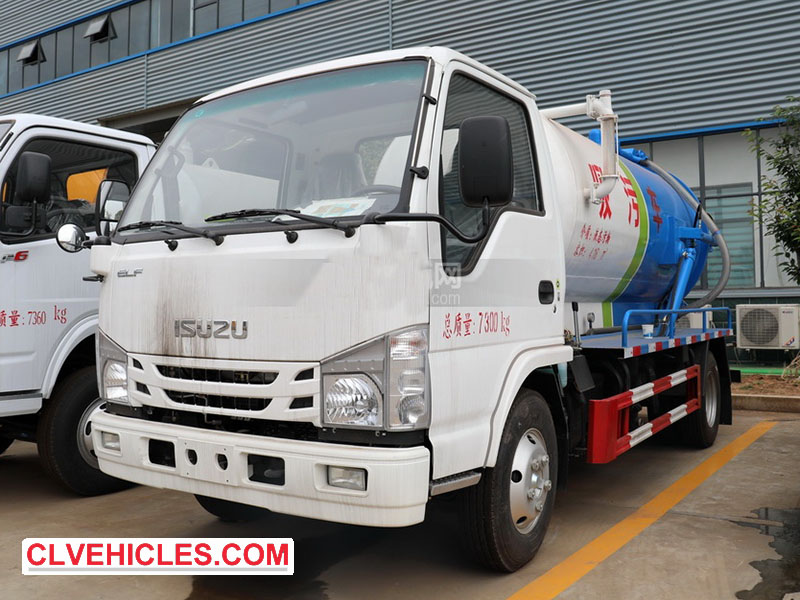
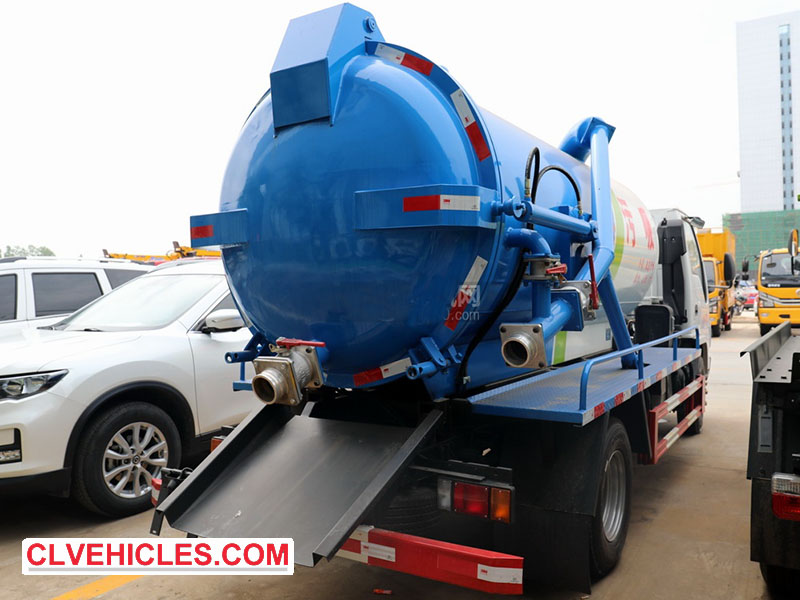
ISUZU Vacuum trucks have become indispensable tools in modern sanitation work, greatly simplifying the process of removing sludge from sewers and reservoirs. However, prolonged use inevitably brings a common headache: tank corrosion. Most tanks are made of carbon steel, with medium-sized tanks typically 5 to 6 millimeters thick, whose inherent rust resistance is the primary defense. However, in actual use, the tanks are constantly subjected to the corrosive chemical properties of sludge, the oxidative reactions of moisture and oxygen, temperature fluctuations, and the mechanical stress of pressurized filling and discharging cycles. Under this combined attack, even high-quality steel often develops perforations within four to five years. The good news is that this lifespan can be significantly extended by adopting some practical strategies.
Choose High-Quality Materials and Apply Internal Barriers
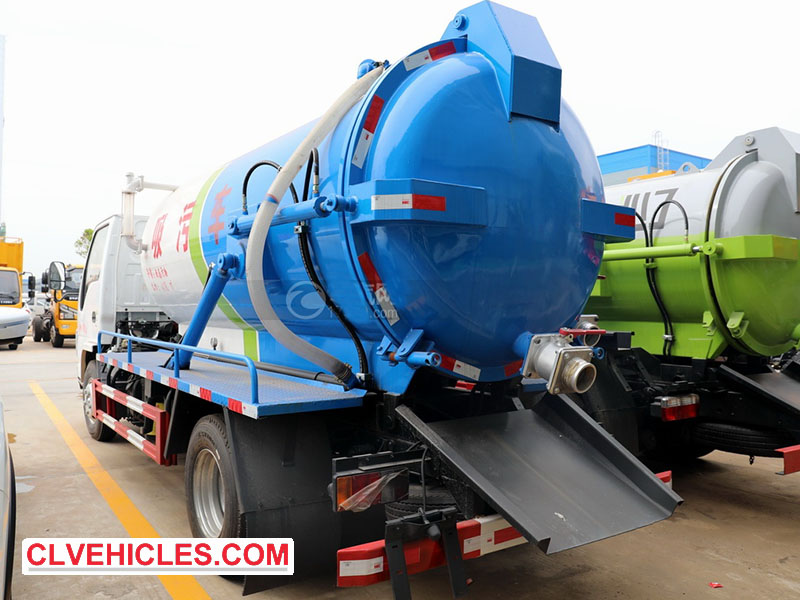
The first line of defense begins in the manufacturing stage. Choosing high-quality carbon steel plates—with fewer impurities and a more uniform grain structure—provides better corrosion resistance and lays the foundation for a longer service life. In addition to material selection, the most effective upgrade is applying a specialized anti-corrosion coating to the inner surface of the tank. This protective layer acts as a physical and chemical barrier, preventing sludge from directly contacting the bare steel. Field experience shows that proper application of the internal barrier can extend the service life of the tank by at least two years. A common misconception is that ordinary acidic rust-preventive paint is sufficient; in practice, these react chemically with the alkalinity of the sucked-in sludge, rapidly decomposing and losing their effectiveness. Therefore, specialized alkali-resistant coatings are crucial for long-lasting protection.
Daily Cleaning and Sun Protection
Routine operating practices play a vital role in slowing corrosion. After each suction operation, the tank should be thoroughly flushed to remove residual debris and liquid. Residual solids, especially organic matter, can accelerate pitting corrosion when combined with moisture. Keeping the interior and exterior clean and dry minimizes electrochemical conditions that promote rust. Equally important is protecting the exterior paint from prolonged direct sunlight. UV rays degrade surface quality over time, causing cracking and peeling; once exposed metal is exposed, corrosion occurs rapidly. Whenever possible, park the vehicle in the shade or use a protective cover. If the paint is scratched or chipped, repair it immediately to seal the exposed steel.
Routine Inspections and Timely Maintenance
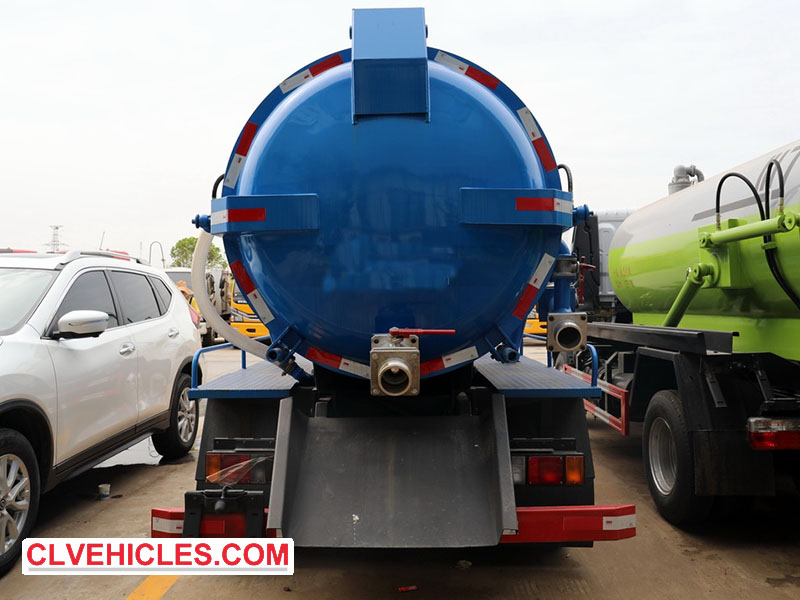
No preventative measures are foolproof, so regular, systematic inspections are essential. Regularly inspect the entire surface of the tank, paying particular attention to welds, corners, and areas near hydraulic fittings—these are the main sites of early rust. If any pitting or thinning is detected, do not delay: clean the affected area, remove loose rust, and apply an appropriate repair coating or weld as needed. Timely intervention not only restores structural integrity but also prevents a small problem from escalating into a costly, comprehensive failure. Combined with other measures—high-quality materials, internal coatings, and thorough cleaning—these inspection procedures ensure that the vacuum truck remains reliable and efficient for a typical four to five years.
Get the Latest ISUZU Vacuum Tank Truck Buyer's Guide
Ready to upgrade your municipal fleet? Download our latest Comparison Catalog & Maintenance Manual for ISUZU Vacuum Tank Trucks.
By Inquiring Today, You Will Get:
Exclusive Factory Discount:Save up to $1,500 on your first order this month.
Spare Parts Package:1-year wearable parts (filters, hoses, vacuum pump seals) included for FREE.
Shipping Quote:Get a real-time shipping cost estimate to your nearest port.
CONTACT US quickly. Leave your Email & Destination Port to get the Offer!