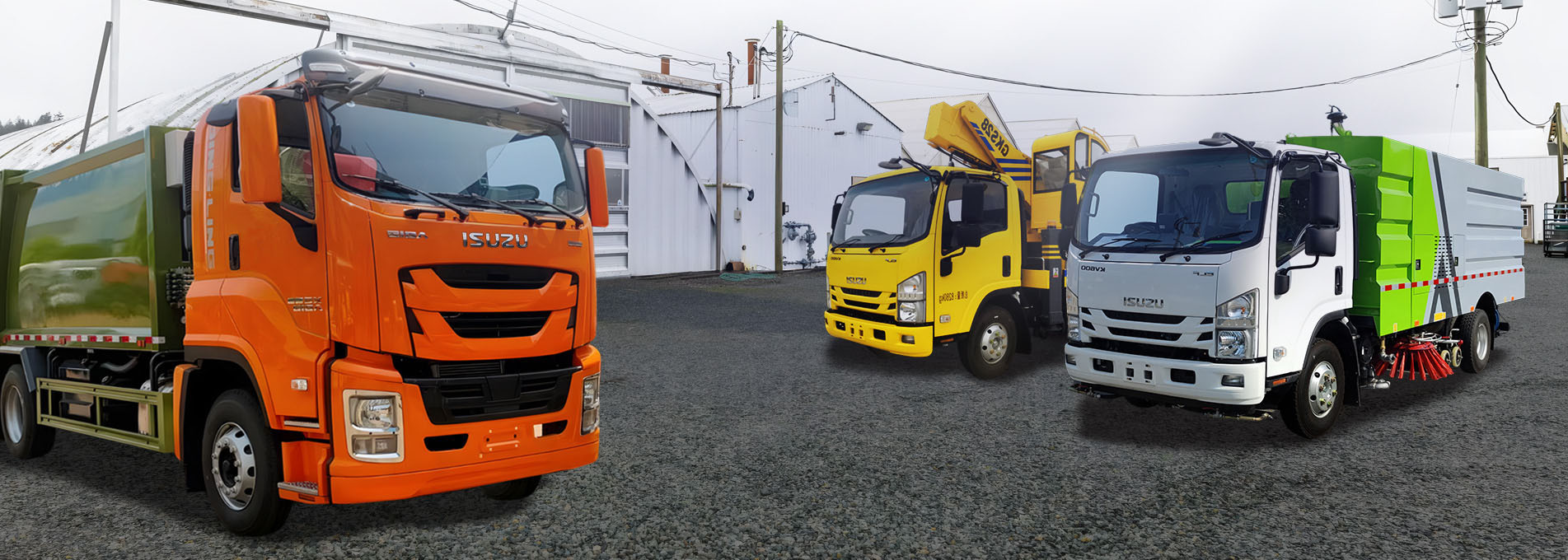
1. The Crucial Role of the Gearbox in ISUZU Concrete Mixer Truck Operation
The gearbox is one of the most important transmission system components in a concrete mixer truck. Its proper operation not only ensures a smooth power transmission from the engine to the wheels but also directly affects fuel consumption and overall service life. When drivers fully understand the characteristics of the gearbox and follow correct operating procedures, they can significantly reduce mechanical wear and avoid costly repairs. However, many operators overlook specific rules unique to heavy-duty mixer trucks, such as high/low gear shifting, air-assisted shifting, and load-sensing driving. This article outlines the basic precautions that every mixer truck driver should follow to protect the gearbox and maximize efficiency.
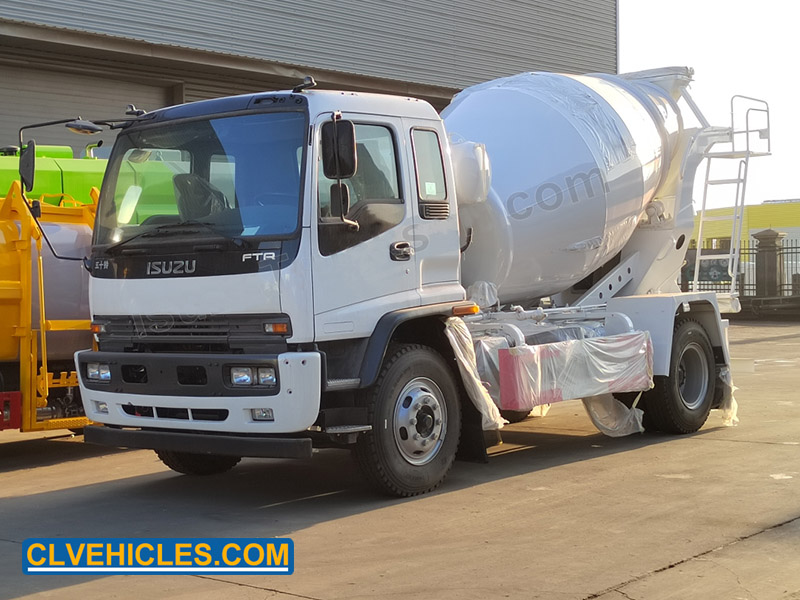
2. Precise Gear Shifting, Pay Attention to Gear Range
Each time you shift gears, you must fully disengage the clutch and decisively move the shift lever to the predetermined position—never rush or force it. The mixer truck gearbox has high and low gears; when the vehicle is stationary, always ensure the shift lever is in the low-speed neutral position to prevent unnecessary preloading of the synchronizer. When engaging a low gear or reverse gear, the vehicle should be brought to a complete stop before shifting; this prevents sudden torque reversal and potential damage to internal components. When reversing, push firmly but smoothly against the reverse gear locking spring—this spring is designed to prevent accidental engagement, but requires deliberate force. Furthermore, when shifting from a low gear to a high gear, never skip gears (e.g., directly from 2nd to 4th), as this puts excessive stress on the auxiliary gearbox synchronizer and significantly shortens its lifespan. Finally, never shift between high and low gears while going downhill, as this can lead to engine braking control failure and gear shifting conflicts.
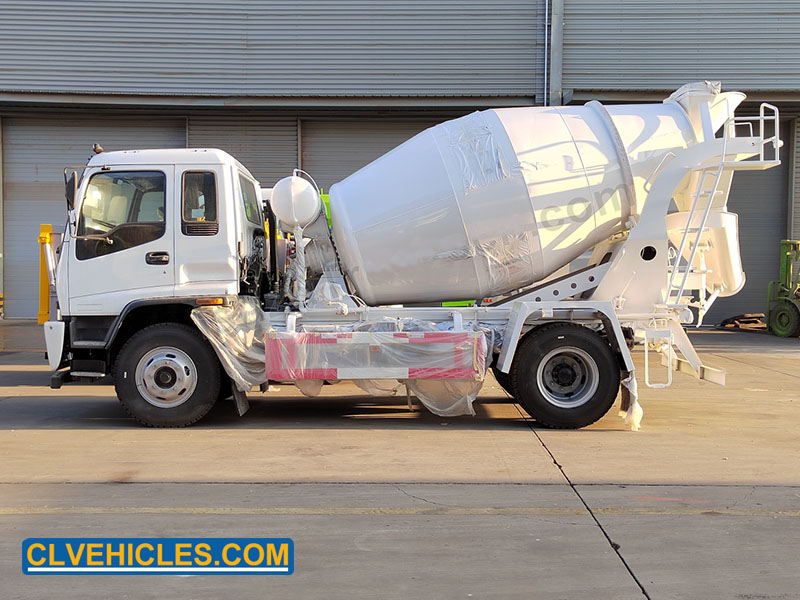
3. Starting, Stopping, and Braking Precautions
Proper starting procedures are equally important. Always select 1st or 2nd gear depending on road conditions and load—use 1st gear when starting with a heavy load or uphill, and 2nd gear when starting on flat, unloaded ground. Before starting, ensure the parking brake is fully released. For trucks equipped with spring-loaded brakes, never engage a gear before the air pressure gauge displays the minimum pressure required to release the brake; only open the brake valve and continue operation when the gauge displays the minimum required pressure. When stopping, shift the gear lever back to the low neutral position to release hydraulic pressure on the transmission and prevent accidental gear engagement upon restarting. These simple steps reduce wear on the clutch and gears and ensure safe and reliable starting.
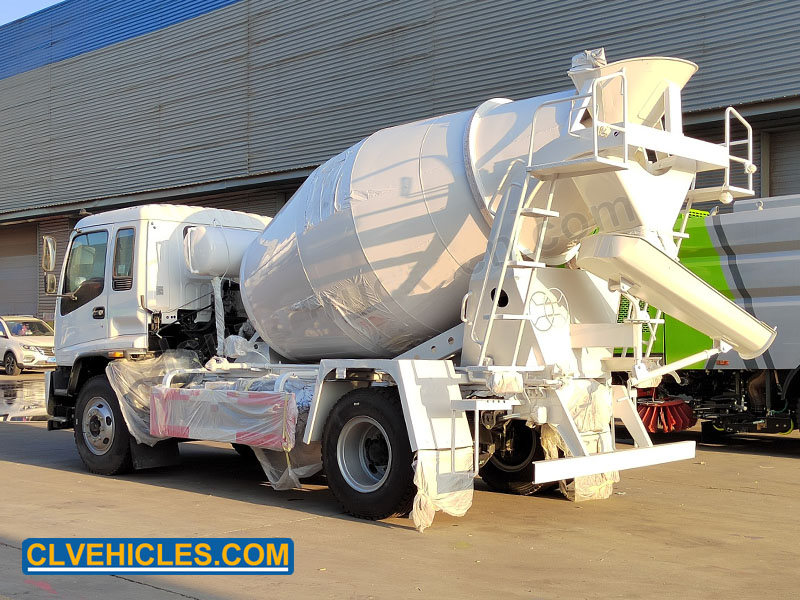
4. Promptly Address Abnormal Noises and Shifting Difficulties
During daily operation, be alert to any abnormal noises—such as grinding, whirring, or dull knocking—or a noticeably increased shifting force. These are early warning signs of potential internal damage, low lubricant levels, or misaligned shift forks. If such symptoms occur, stop immediately and perform a thorough inspection; do not attempt to continue driving until the fault is diagnosed and repaired. When encountering a situation where the shift lever cannot engage any gear, the first step is to check the cylinders and their associated pneumatic circuits, as insufficient air pressure often prevents the auxiliary gearbox from selecting the correct gear. Before retrying, ensure the auxiliary gearbox is fully engaged. Furthermore, during the warranty period (“repair”), never disassemble or tamper with the transmission without authorization from the manufacturer or an authorized service center, as this will void the warranty and may cause new alignment problems.
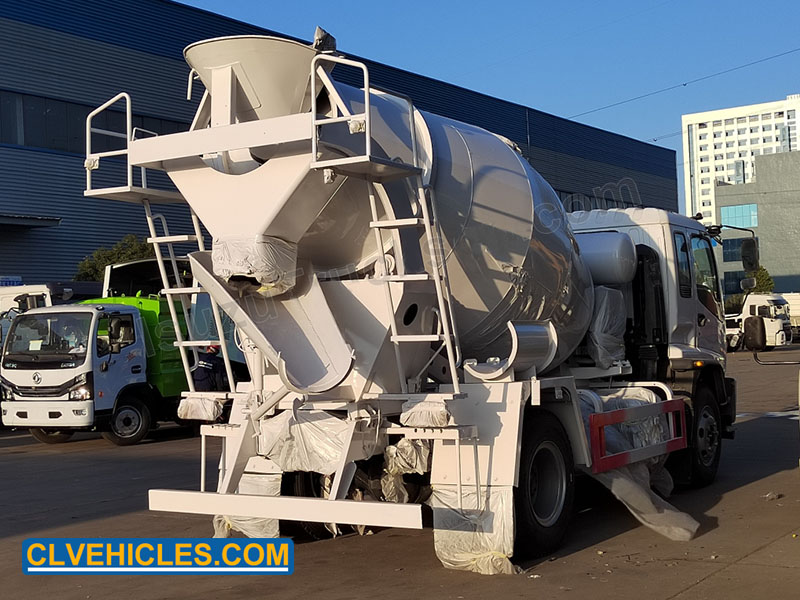
5. Matching the Transmission and Engine for Optimal Fuel Economy
Besides driving habits, the transmission must be matched to the engine's torque curve and the truck's typical operating cycle. The manufacturer-specified gear ratios are carefully calculated to ensure the engine operates within its most fuel-efficient RPM range at various speeds. Therefore, drivers should always select the gear corresponding to the current vehicle speed and engine load—neither running the engine at excessively low RPMs nor overspeeding in lower gears. When gear and speed are coordinated, the engine runs smoothly, fuel consumption is reduced, and the stress on the transmission and drivetrain is less. In practice, this means upshifting early on flat ground, downshifting quickly on slopes, and avoiding unnecessary gear changes. By combining these driving skills with the preventative measures mentioned above, concrete mixer truck owners can extend gearbox life, reduce operating costs, and ensure reliable concrete delivery day after day.
Get the Latest ISUZU Concrete Mixer Truck Buyer's Guide
Ready to upgrade your construction fleet? Download our latest Comparison Catalog & Maintenance Manual for ISUZU Concrete Mixer Trucks.
By Inquiry Today, You Will Get:
Exclusive Factory Discount: Save up to $1,500 on your first order this month.
Spare Parts Package: 1-year wearable parts (mixing blades, drum liners, hydraulic hoses) included for FREE.
Shipping Quote: Get a real-time shipping cost estimate to your nearest port.
CONTACT US quickly,Leave your Email & Destination Port to get the Offer!