1. The Hidden Costs of Rapidly Wearing Sweeper Brushes
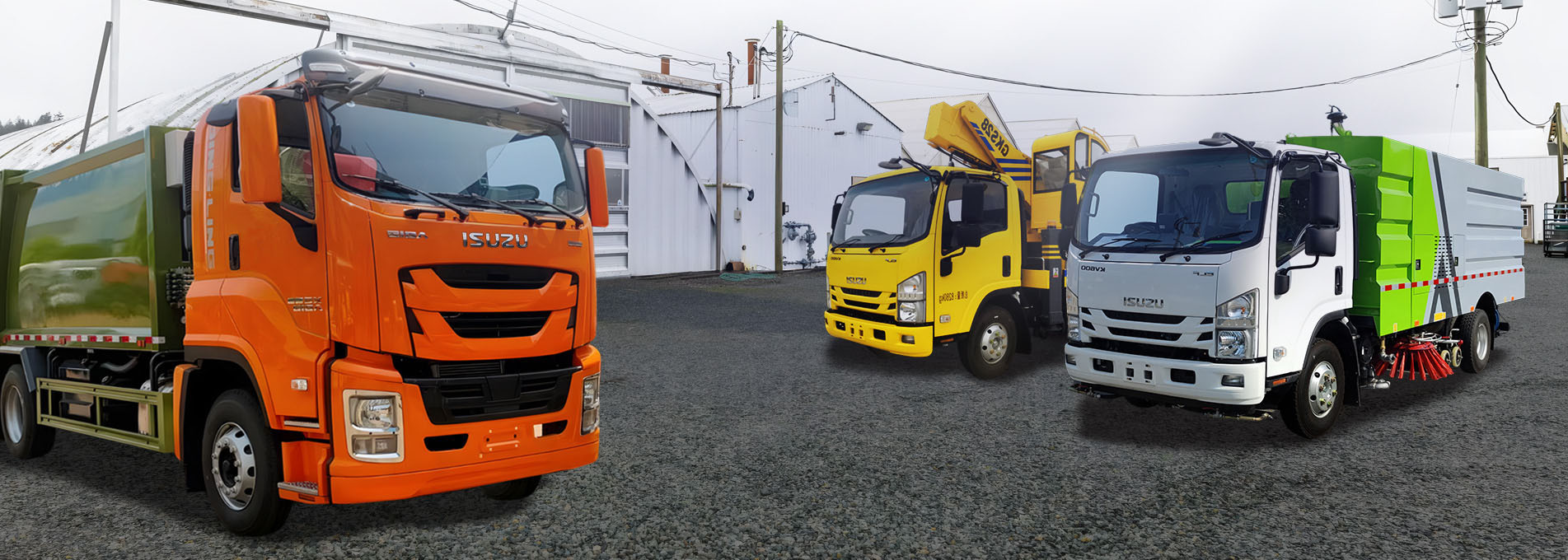
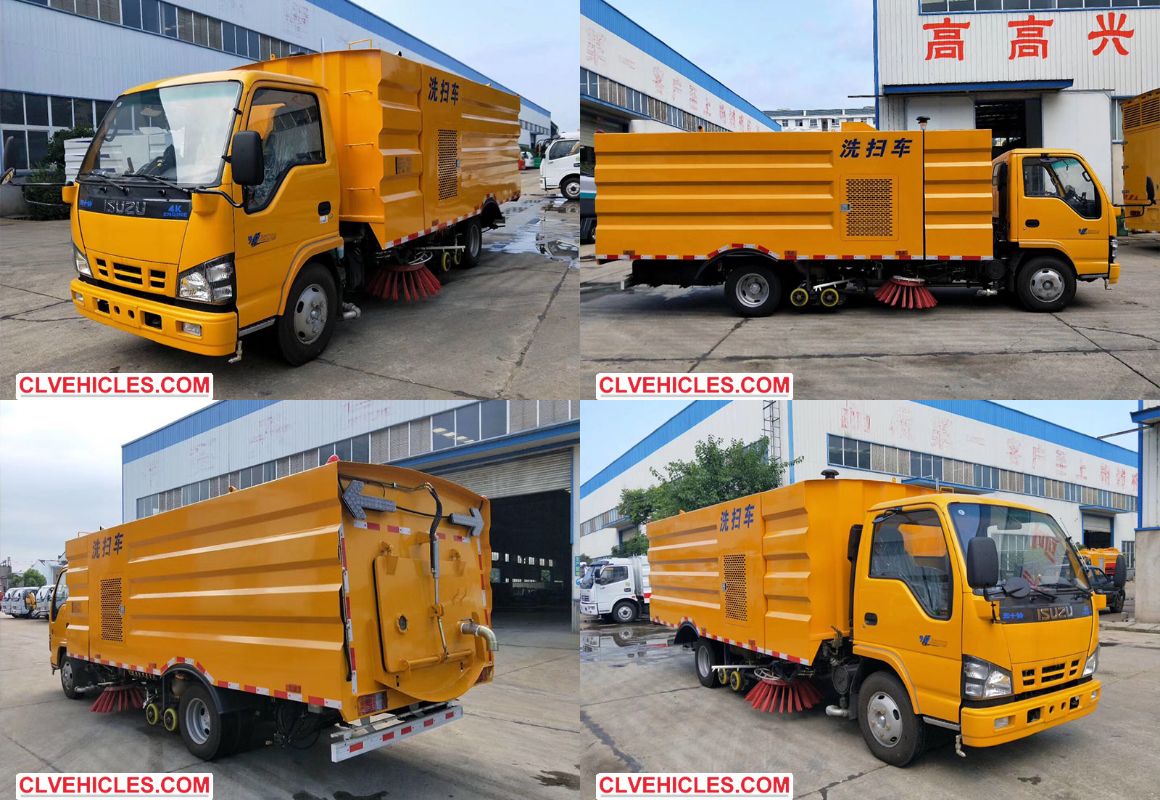
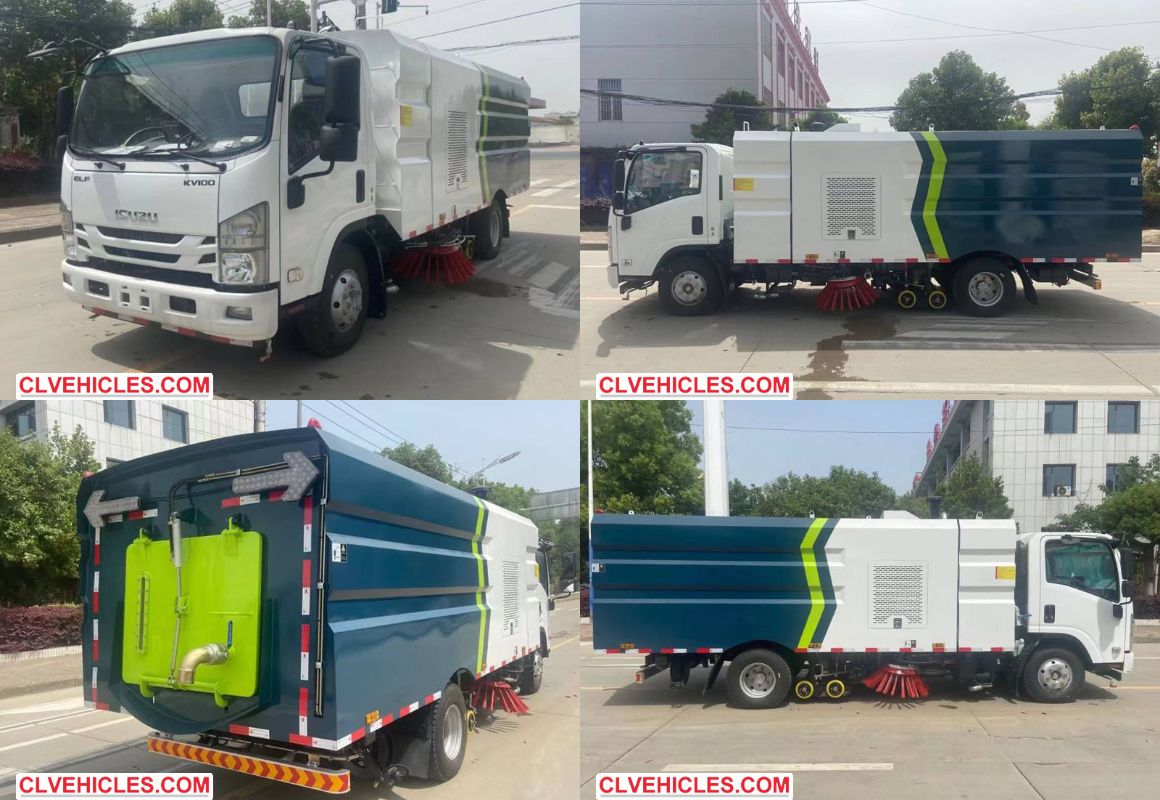
ISUZU road sweeper truck rely on rotating brushes to keep streets, highways, and public areas clean day after day. However, sweeper brushes are inherently consumable parts. Under normal operating conditions, a set of sweeper brushes typically lasts about three months. While the unit price of a set of sweeper brushes is not high, multiple replacements per year significantly increase fleet maintenance budgets. This raises a key question: why do sweeper brushes wear out so quickly? The answer is not singular, but a combination of factors including material selection, operating settings, and the working environment. By systematically analyzing each factor, fleet managers and operators can take targeted measures to extend the life of sweeper brushes without sacrificing cleaning quality.
2. Material Composition
The Illusion of Hardness Sweeper brushes are made of three main materials—steel wire, nylon, and plastic. There is a common misconception that the harder the bristles, the better the wear resistance and cleaning effect. However, in reality, excessive stiffness often leads to brittle bristles that break more quickly, while overly soft bristles deform rapidly and lose their cleaning effectiveness. The ideal brush strikes a delicate balance between rigidity and flexibility, conforming to the road surface texture while maintaining sufficient friction. Although high-end brushes are slightly more expensive initially, this balance is considered in their design. They utilize advanced polymer blends or heat-treated steel wires, materials with excellent fatigue resistance, maintaining their shape and cutting ability for a longer period. For car owners looking to reduce long-term costs, investing in high-end brushes is one of the most direct and effective measures.
3. Ground Pressure
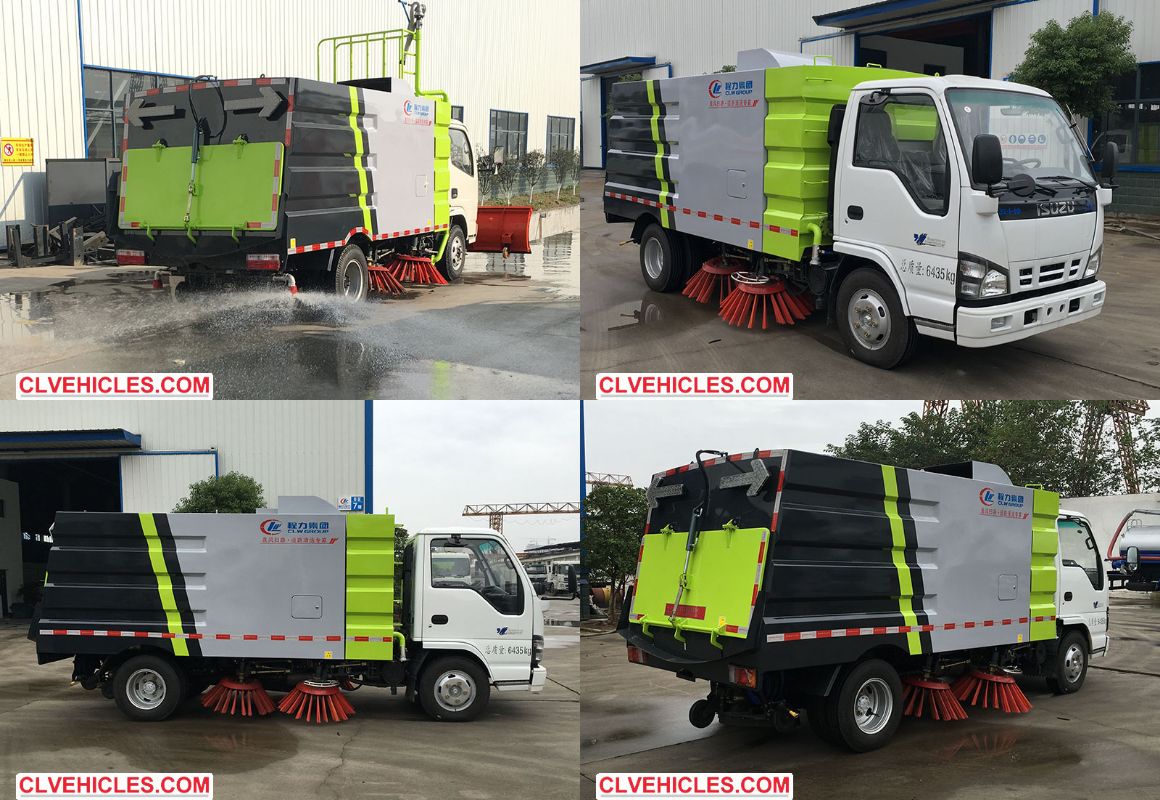
Fine-tuning Contact Force The contact pressure between the brush and the road surface is a major factor contributing to abrasive wear. If the pressure is set too high, the bristles will force intense friction against the ground, accelerating material loss regardless of brush quality. Conversely, insufficient pressure results in poor dirt removal and leaves streaks. The ideal approach is to adjust the ground pressure to the minimum level that still achieves the desired cleaning standard. Modern sweepers are typically equipped with hydraulic or pneumatic pressure regulation systems, allowing operators to precisely adjust settings for different road types. Regular calibration of the brush suspension mechanism is equally important, as worn links or misaligned mounting brackets can unintentionally cause uneven pressure distribution, leading to localized rapid wear.
4. Speed Synchronization
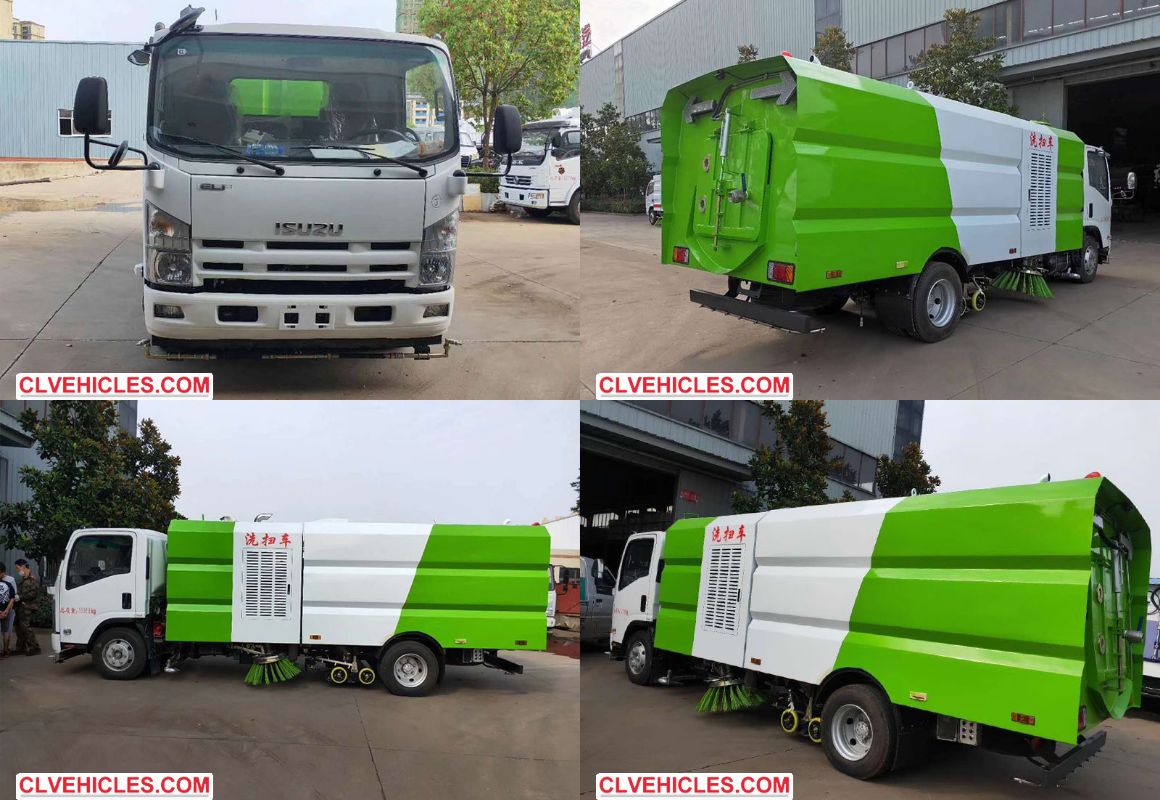
Matching Rotation to Forward Motion. The rotational speed of the brush disc and the forward speed of the sweeper are interdependent variables that significantly impact wear. When the brush disc rotates too fast relative to the vehicle speed, the bristles rub excessively in the same spot, generating unnecessary friction. If the brush disc rotates too slowly, the brush cannot effectively lift debris, requiring repeated passes, which accelerates wear. The optimal solution is a continuously variable speed (CVS) system, which allows for real-time, continuous adjustment of the brush speed to adapt to road conditions, dirt load, and required sweeping width. This technology ensures that at any given forward speed, the brush operates at the most efficient circumferential speed, maximizing sweeping performance while minimizing wear. Sweepers equipped with this variable-speed drive system outperform fixed-speed models in both durability and fuel economy.
5. Road Surface Characteristics and Best Operating Practices
Finally, the nature of the road surface itself plays a crucial role. Sweepers operate on a wide variety of surfaces—from smooth asphalt on main roads to textured concrete on airport aprons, from rough cobblestone streets in historic districts to rough surfaces in industrial sites. Rough surfaces with high macro-texture or embedded sand particles accelerate bristle wear, while smooth, sealed surfaces experience less wear. Furthermore, the presence of sand, gravel, or chemical de-icing residue also exacerbates wear. To mitigate these effects, operators should adjust sweeping patterns: reduce brush pressure on rough or heavily loaded surfaces and increase cleaning frequency on sensitive surfaces to prevent debris from becoming an abrasive medium. Combined with routine checks—inspecting for bent wires, missing bristles, and even wear patterns—these measures collectively extend brush life. Ultimately, extending brush life is not a one-time event but a systematic approach that includes material selection, pressure adjustment, speed regulation, and road-aware driving habits.
Get the Latest ISUZU Cleaning Truck Buyer's Guide
Ready to upgrade your municipal fleet? Download our latest Comparison Catalog & Maintenance Manual for ISUZU Road Sweepers.
By Inquiry Today, You Will Get:
CONTACT US quickly,Leave your Email & Destination Port to get the Offer!